
What is the difference between AT and GT series pneumatic actuators?
2026-07-14 Blog
A Common Question from Industrial Buyers
First of all, this question comes up frequently during initial product consultations. Understandably, choosing the right series matters for both performance and cost. For this reason, we want to walk you through the key differences clearly. In short, both series share core technology but serve different operational needs. Furthermore, understanding these distinctions helps you make the best purchasing decision.
Core Operating Principle: Shared Foundation
To begin with, both series rely on the same rack and pinion mechanism for motion. Similarly, both use compressed air to generate rotational torque for valve control. Additionally, both feature durable construction designed for long industrial service life. Moreover, they share the same mounting standards and connection dimensions for compatibility. Essentially, you get the same reliable base technology with either choice.
AT Series: Double-Acting Standard Performance
On one hand, the AT series represents our standard double-acting configuration. Specifically, these units use compressed air for both the open and close strokes. As a result, they deliver equal torque output in both rotational directions. Furthermore, AT models typically cost less than their spring-return counterparts. Consequently, they work best for applications where fail-safe positioning is not required.
GT Series: Spring-Return Fail-Safe Design
On the other hand, the GT series incorporates internal springs for fail-safe operation. In other words, these units use air for one stroke and spring force for the return. Most importantly, this design ensures the valve returns to a safe position if air pressure fails. For example, a fail-close valve automatically shuts during emergency pressure loss. Naturally, this added safety feature comes with a slightly higher price point.
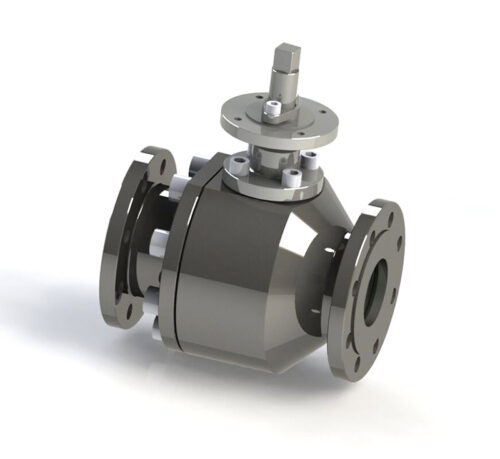
Torque Output and Air Consumption Comparison
In terms of torque, AT units provide consistent force in both directions of rotation. By contrast, GT units produce different torque values on air versus spring strokes. Additionally, GT series units typically require more air volume per cycle due to spring compression. Similarly, the spring mechanism adds internal friction that slightly reduces effective output. Therefore, you should size GT units with extra safety margin for reliable performance.
Dimensional and Weight Differences
Physically speaking, GT series units are generally longer than equivalent AT models. This difference occurs because the spring pack requires additional internal space. Likewise, GT units weigh more due to the additional spring components. Consequently, you may need to verify mounting bracket load capacity for larger GT models. Nevertheless, both series share the same bolt patterns and interface standards.
Which Series Fits Your Pneumatic Actuators Application?
Given these differences, your choice depends primarily on safety requirements. First, assess whether your process demands fail-safe valve positioning. Next, consider the consequences of unexpected air pressure loss in your system. Then, evaluate your budget constraints and total cost of ownership targets. Finally, factor in maintenance preferences and spare parts inventory strategy.
Making the Right Selection for Your Project
In conclusion, both AT and GT series deliver reliable, industry-proven performance. To summarize, AT offers cost-effective double-acting operation for standard applications. Conversely, GT provides essential fail-safe protection for critical processes. Either way, you receive a high-quality product backed by our technical support. Ultimately, we recommend consulting our engineers to match the right series to your specific needs.
Contact us
Add:Room 203-1, 2nd Floor, Block A, No.9 Xinqin Road, Xinwu District, Wuxi City, Jiangsu Province, P.R.China
Mobile:0086-188-5271-7918
Email:william@wxaccton.com
Website:www.actuator-china.com