
Category of Products
Contact Us
Add:Room 203-1, 2nd Floor, Block A, No.9 Xinqin Road, Xinwu District, Wuxi City, Jiangsu Province, P.R.China
Mobile:0086-188-5271-7918
Email:accton01@wxaccton.com
Website:www.actuator-china.com
Category of Products
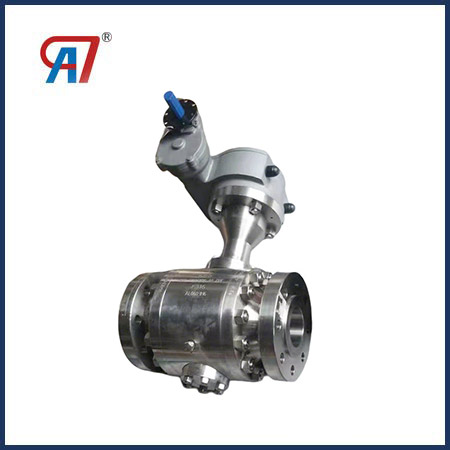
Hard seal ultra-hard ball valve
Overview of Metal Hard Seal Ball Valves
1. Basic Advantages of Ordinary Ball Valves
First, ball valves have low fluid resistance in pipeline work. Meanwhile, they keep smooth flow channels for medium passing. Besides, they open and close fast in daily operation. Moreover, they support easy automatic control in systems. Thus, ball valves gain wide application in various industries.
2. Limitations of Ordinary Ball Valves
However, ordinary ball valves use non-metal valve seats like PTFE. Therefore, they cannot work under high temperature working conditions. Also, they fail to handle media with solid particles and slag. For this reason, their application scope is greatly limited.
3. Development and Industry Application
To solve the above problems, Acton developed full-series metal hard seal ball valves. These products include floating and fixed ball valve types. Furthermore, they fit many harsh industrial scenarios. In addition, they are popular in coal chemical, polysilicon and petroleum fields. Also, they serve chemical, metallurgical and light industries well.
4. Pressure Grade and Working Medium
Firstly, these valves fit pipe grades of Class150 to Class2500. They also match PN16-PN160 and JIS10K-JIS20K standards. Secondly, they cut off or connect pipeline media effectively. Thirdly, different body materials adapt to diverse medium types. Finally, they suit particle, slurry and coal ash working conditions best.
5. Driving and Connection Modes
In terms of driving modes, the valves have four common types. These types are manual, worm, pneumatic and electric drive. In terms of connection ways, flange connection is the mainstream choice. In addition, weld, socket and thread connections are available. Also, clamp connection can be adopted for special pipelines.


1. Basic Advantages of Ordinary Ball Valves
First, ball valves have low fluid resistance in pipeline work. Meanwhile, they keep smooth flow channels for medium passing. Besides, they open and close fast in daily operation. Moreover, they support easy automatic control in systems. Thus, ball valves gain wide application in various industries.
2. Limitations of Ordinary Ball Valves
However, ordinary ball valves use non-metal valve seats like PTFE. Therefore, they cannot work under high temperature working conditions. Also, they fail to handle media with solid particles and slag. For this reason, their application scope is greatly limited.
3. Development and Industry Application
To solve the above problems, Acton developed full-series metal hard seal ball valves. These products include floating and fixed ball valve types. Furthermore, they fit many harsh industrial scenarios. In addition, they are popular in coal chemical, polysilicon and petroleum fields. Also, they serve chemical, metallurgical and light industries well.
4. Pressure Grade and Working Medium
Firstly, these valves fit pipe grades of Class150 to Class2500. They also match PN16-PN160 and JIS10K-JIS20K standards. Secondly, they cut off or connect pipeline media effectively. Thirdly, different body materials adapt to diverse medium types. Finally, they suit particle, slurry and coal ash working conditions best.
5. Driving and Connection Modes
In terms of driving modes, the valves have four common types. These types are manual, worm, pneumatic and electric drive. In terms of connection ways, flange connection is the mainstream choice. In addition, weld, socket and thread connections are available. Also, clamp connection can be adopted for special pipelines.
6. Surface Hardening Technology for Sealing Faces
First, hardening treatment upgrades sealing surface performance. Furthermore, it helps valves resist high heat, wear and corrosion. Meanwhile, multiple treatment options fit different working conditions.
Firstly, HVOF spraying forms hard coatings on valve sealing parts. In addition, tungsten carbide coatings work below 540°C. Meanwhile, chromium carbide coatings suit 540°C to 950°C environments. Moreover, this method creates hard and heat-resistant surfaces. Finally, its hardness ranges from 58 to 80 HRC with 0.2-0.25mm thickness.
Secondly, hard alloy surfacing is a common treatment method. For example, Stellite alloy is widely used for surfacing. Besides, its hardness reaches 38 to 45 HRC steadily. Also, the hardened layer thickness can hit 1.6mm.
Thirdly, alloy spray welding resembles the HVOF process. Moreover, it sprays nickel-based and hard alloy powder on surfaces. In addition, it gains 50 to 60 HRC surface hardness. Finally, its coating thickness ranges from 0.8 to 1.5mm.
7. Anti-blowout Stem & Reliable Seal Structure
First, the valve stem adopts a special anti-blowout structure. Furthermore, it avoids stem ejection under extreme pressure conditions. Meanwhile, it uses a bottom-mounted sealing structure. Besides, sealing force rises with increasing medium pressure. Thus, it ensures stable sealing under all pressure levels.
8. Sulfide Stress Cracking Resistance
First, Acton sulfur-resistant valves follow strict industry standards. Furthermore, all medium-contact parts meet NACE MR0175 requirements. Meanwhile, fasteners also adopt matched standard materials. Besides, strict quality control runs through the whole production. Thus, valves adapt to all sulfide working environments.
9. Low-leakage Packing Design
First, low-leakage packing equips all metal hard seal valves. Furthermore, it combines parallel layers and tapered sealing layers. Meanwhile, it reduces friction during stem rotation. Besides, it maintains stable sealing for long-term operation. Thus, it extends the valve’s service life effectively.
10. ISO 5211 Standard Flange & Optional Drives
First, valve flanges comply with universal ISO 5211 standards. Furthermore, they support multiple matching driving devices. Meanwhile, worm gear boxes are available for manual adjustment. Besides, electric and pneumatic heads can also be installed.
11. Standard Fireproof and Anti-static Design
First, fireproof and anti-static design is standard for Acton valves. Furthermore, core sealing parts use metal or graphite fireproof materials. Meanwhile, these materials ensure safety in accidental fire scenarios. Thus, valves keep reliable sealing under fire conditions.
Besides, metal parts keep continuous contact inside the valve. Furthermore, this contact forms a stable conductive path. Meanwhile, it releases static charge generated by friction. Thus, it avoids static accumulation and potential safety risks.
12. Advanced Ball and Seat Hardening Technology
First, valves adopt full metal-to-metal sealing between ball and seat. Furthermore, multiple hardening methods fit diverse working conditions. Meanwhile, optional processes include spraying, spray welding and ceramic coating. Besides, surface hardness can reach over 74 HRC at maximum.
In addition, sealing surfaces resist up to 540°C heat normally. Meanwhile, the highest resistant temperature can reach 980°C. Besides, material bonding strength exceeds 10000 PSI. Thus, surfaces own excellent wear and impact resistance.
13. Anti-bonding Design for Solid-liquid Media
First, mixed solid-liquid media easily stick to valve ball surfaces. Furthermore, the bonding issue may block valve opening and closing. Meanwhile, scraper structures are installed on two sides of valve seats. Besides, scrapers clean sticky impurities during valve movement. Thus, they guarantee flexible valve operation.
Moreover, sticky media will increase valve operating torque. Furthermore, we strengthen key parts in structural design. Meanwhile, we reserve sufficient strength for shafts and connections. Besides, we match high-power driving devices. Thus, valves work normally under sticky media conditions.
In addition, solid media may cause spring failure and valve jamming. Furthermore, flexible graphite rings are set in spring cavities. Meanwhile, the rings block solid media from entering cavities. Thus, they protect springs from bonding and failure.
14. Anti-wear Measures for Hard Particle Media
First, fully open valves have straight and smooth flow channels. Furthermore, sealing surfaces avoid contact with flowing media. Meanwhile, fully closed valves have static internal media. Thus, both states cause little wear or scouring.
Besides, poor sealing leads to severe media scouring under high pressure. Furthermore, bad leakage may wear through valve bodies quickly. Meanwhile, the instant of valve opening is the most wear-prone stage. Thus, targeted measures are needed to reduce wear.
First, fast opening and closing reduces media scouring time. Furthermore, quick state switching avoids long-time partial opening. Meanwhile, it works well for frequently switched valves. Thus, it effectively lowers surface wear.
Secondly, pressure balancing minimizes pressure difference before opening. Furthermore, balanced pressure reduces media flow speed. Meanwhile, slower flow brings weaker scouring force. Thus, valve wear gets greatly reduced.
Thirdly, enlarged ball diameter protects key sealing areas. Furthermore, slight wear will not affect sealing performance. Meanwhile, wear-resistant materials are sprayed on vulnerable parts. Thus, valves gain lasting anti-wear ability.
15. High-temperature Anti-jamming Sealing Structure
First, disc springs or loaded springs equip the valve sealing structure. Furthermore, these parts absorb thermal expansion at high temperatures. Meanwhile, they avoid valve jamming from heat deformation. Thus, valves keep flexible opening and closing in high heat.
16. Excellent Sealing Performance
First, we adopt precise multi-direction ball grinding technology. Furthermore, the process improves ball roundness and surface smoothness. Meanwhile, finished balls meet high sealing standards. Thus, valve sealing performance exceeds industry requirements.
17. Professional High-temperature Structural Design
First, thermal expansion is a key factor for high-temperature valve design. Furthermore, flexible graphite seals between seats and valve bodies. Meanwhile, graphite expands under continuous high heat. Besides, built-in springs compensate for material expansion. Thus, they prevent valve jamming effectively.
In addition, multiple spring types are optional for compensation. Furthermore, Inconel material ensures stable high-temperature spring performance. Meanwhile, combined thin springs optimize overall flexibility. Thus, the structure adapts to various high-heat working conditions.
18. Double Block and Bleed Function (DBB)
First, drain valves can be installed on fixed ball valve bodies. Furthermore, it releases trapped pressure in closed valve cavities. Meanwhile, it realizes standard double block and bleed functions. Besides, it flushes and cleans internal sediment regularly. Thus, it keeps internal valve passages clean and safe.
19. Automatic Cavity Pressure Relief Function
First, trapped liquid media may vaporize and raise cavity pressure. Furthermore, high pressure will push valve seats to release pressure automatically. Meanwhile, the whole process needs no manual operation. Thus, it ensures long-term valve safety.
20. Anti-corrosion Design
First, valve body walls reserve extra corrosion allowance. Furthermore, key metal parts adopt standard chemical coating treatment. Meanwhile, multiple anti-corrosion materials support custom selection. Besides, imported high-performance paint covers valve exteriors. Thus, valves adapt to various harsh corrosive environments.
21. Introduction of Acton Fixed Ball Valves
First, Acton fixed ball valves suit extremely harsh working conditions. Furthermore, they adapt to high heat, high pressure and corrosive media. Meanwhile, they work stably with particle-containing media. Besides, they own reliable sealing and long service life. Thus, they gain wide recognition in the valve industry.
22. Optional Operation Modes
First, multiple operation modes are available for matching. Furthermore, users can select modes per actual working scenarios. Meanwhile, all modes ensure stable and convenient operation. Thus, the valves meet diverse industrial use needs.

Design features

Product Introduction

Technical Specifications


Reference torque for fixed ball valve

Traffic Data Table

Valve Pressure-Temperature Rating & Design Features
1. Pressure-Temperature Rating
First, this valve follows unified industrial design rules. Meanwhile, it fully complies with ASME B16.34 standards. Besides, it meets standard pressure and temperature rating requirements. Thus, it ensures stable and rated working performance.
2. Supersonic Spraying Technology
First, supersonic spraying serves as a core surface treatment. Meanwhile, tungsten carbide acts as a common spraying material. Besides, chromium carbide is also widely used for coating. Thus, valve sealing surfaces gain strong durability.
3. Customized R&D and Industrial Experience
First, Acton designs valves for real industrial working conditions. Furthermore, it accumulates rich experience in petrochemical applications. Meanwhile, it serves natural gas transmission projects steadily. Besides, it provides complete valve solutions for modern industries.
Moreover, Acton builds professional R&D and analysis centers. In addition, it develops customized products for different client needs. Besides, it achieves a tailor-made design effect for every project. Thus, it greatly improves valve safety and service life in coal chemical industries.
4. Unique Stem Support & Dustproof Structure for Large Bore Valves
First, large bore ball valves adopt a special stem support structure. Furthermore, a plane bearing bears the weight of the valve stem. Meanwhile, the weight transfers to the valve body instead of the ball. Besides, it avoids uneven wear on valve seats.
Moreover, a dust ring installs on the valve stem surface. In addition, it blocks solid particles from entering gaps. Besides, it protects the gap between stem and valve body. Thus, it keeps the internal structure clean and stable.

New Type Scraper Structure
First, coal chemical media easily sticks to the valve ball surface.Besides, sticky impurities shorten the service life of ball valves heavily.
Meanwhile, fine scraper design lifts the whole valve working performance.Thus, new scraper works well for black water, ash water and slag water.
New Dustproof Structure Design
First, solid particles exist widely in coal chemical working media.Besides, tiny grains easily slip into inner spring gaps of valves.
Meanwhile, qualified dustproof design effectively prolongs valve service life.Thus, this new structure fits lock slag & various waste water conditions.
Design Feature: 3D Aided Design
First, Acton follows global standard rules for valve design and production.Besides, AutoCAD helps finish 2D drawing of all valve parts.
Meanwhile, Pro/E and SolidWorks build 3D models and virtual assembly.Thus, finished valves own rational structure and neat outer shape.
Furthermore, ANSYS and SolidWorks run finite element simulation tests.Besides, software checks stress and deformation under real site conditions.
Meanwhile, engineers optimize design based on test analysis data.Thus, valves remove design flaws and keep safe for coal chemical service.
Custom Solution for Severe Working Condition
First, Acton owns full sets of advanced production and test equipment.Besides, technical teams study clients’ tough site operation parameters.
Meanwhile, staff make tailor-made plans for different harsh medium needs.Thus, customized valves match all complex industrial working conditions.

Valve Stem Anti-blowout Structure Design
First, the valve stem head adopts a step boss structure. Meanwhile, this special structure forms a stable limiting shape. Besides, the stuffing box firmly presses the stem head in place. Furthermore, it restricts all upward movement of the valve stem. Thus, the stem avoids ejection under abnormal cavity pressure.

Automatic Middle Cavity Pressure Relief Design
First, middle cavity pressure may rise far above its rated standard.Meanwhile, medium pressure pushes safety valve seat off its sealing face.
Besides, the opened gap lets excess inner pressure discharge outward.Thus, this structure finishes automatic pressure relief for valve cavity.
Reliable Sealing of Valve Seat
Preload Spring
First, grouped coil springs work as preload parts for valve seats.Meanwhile, manufacturers use Inconel X-750 or X-718 for these springs.
Besides, these special alloys keep stable performance under high heat.Thus, preload springs offer steady compression to hold tight seat sealing.
Two Regular Hardening Treatments for Ball & Seat
HVOF Supersonic Spraying
First, HVOF shoots wear-proof powder onto base metal at high speed.Meanwhile, faster airflow speeds up powder movement during spraying.
Besides, tight bonding lifts coating’s wear and anti-corrosion ability.Furthermore, coating hardness can exceed 74 HRC after full processing.
Thus, base metal avoids thermal deformation without high-temperature heat.(Common raw material: tungsten carbide, chromium carbide)
Nickel-based Alloy Thermal Spraying
First, nickel alloy spraying serves coal chemical ball valves widely now.Meanwhile, this alloy resists wear, corrosion and continuous high temperature.
Besides, it fits ash water, black water, coal slurry and coal slag working sites.Furthermore, this method brings strong bonding and lowers production cost.
Thus, it becomes an economical choice for harsh coal chemical conditions.(Common raw material: nickel alloy, Stellite, nickel-based tungsten carbide)
Post-processing after Ball and Seat Hardening
First, four core steps complete the whole hardening follow-up work.Meanwhile, operators start with preparation and base surface pre-treatment.
Besides, workers conduct formal spraying and final post-spray handling.Thus, standardized steps control the finished sealing surface quality.
Notes
First, workers pick different hardening ways for varied working conditions.
Besides, ball and seat need a 3~5 HRC hardness gap after surface treatment.
Precision Machining for Ball & Seat Sealing Face
First, high-precision grinders and CNC tools process all sealing surfaces.Meanwhile, staff carry out secondary fine grinding after primary machining.
Besides, finished surface roughness reaches Ra 0.4 or higher standard.Thus, the sealing face meets strict tight-seal technical requirements.
Material Combination for Different Working Conditions
First, engineers match different material sets for diverse working media.Meanwhile, temperature and solid particle status guide material selection.
Besides, corrosive working fluid needs matched anti-corrosion alloy groups.Thus, proper material matching extends valve service life effectively.

Schematic diagram of fixed ball valve structure


Main external dimensions

Class 150 full bore

Class 150 reducing diameter

Main external dimensions

Class 300 full bore

Class 300 reducing

Main external dimensions

Class 600 full bore

Class 600 reduced bore

Main external dimensions

Class 900 full bore

Class 900 reducing diameter

Main dimensions

Class 1500 full bore

Class 1500 reducing diameter

Main external dimensions

Class 2500 full bore

Class 2500 necking down

3D design drawing of two-piece extra-hard ball valve


Utility Patent: A Kind of Fixed Metal Hard Seal Ball Valve
1. Product Background
First, ball valves get wide use on all kinds of industrial pipelines.
Meanwhile, many pipelines carry hard powder and granular mixed medium.
Besides, old valve structures fail to fit these tough operating conditions.
Furthermore, domestic valves last only 3 months and imports hit 8 months.
Thus, industry needs improved hard seal fixed ball valve solutions.
2. Product Advantages
First, this new valve owns upgraded sealing performance for harsh media.
Meanwhile, optimized inner layout brings more reasonable structural design.
Besides, advanced surface treatment strengthens all core component materials.
Thus, end users give high praise after this product enters the market.
Claims
Claim 1
First, disc springs push valve seats to keep close follow-up contact with balls.
Meanwhile, steady spring force supplies constant compression for sealing.
Besides, this lasting contact maintains reliable sealing all through operation.
Thus, the valve keeps tight seal under changing working pressure.
Claim 2
First, over two sealing rings and labyrinth seals wrap both sides of disc springs.
Meanwhile, these layered barriers block process medium from entering spring cavities.
Besides, isolated springs stay away from sticky or abrasive pipeline materials.
Thus, disc springs keep stable elasticity and long service lifespan.
Claim 3
First, plate-shaped supports fix the top and bottom sides of the valve ball.
Meanwhile, these supports lock the ball inside accurate installation position.
Besides, wear-resistant bushings add smooth lubrication for ball rotation.
Thus, the ball turns flexibly without extra friction loss during switching.
Claim 4
First, spline or cylindrical pin links connect valve stems and central balls.
Meanwhile, these two connection types deliver steady torque during movement.
Besides, solid link avoids loose power transfer inside the valve body.
Thus, driving force passes fully from stem to the rotating valve ball.
Claim 5
First, a locating step sits at the bottom end of each designed valve stem.
Meanwhile, bonnet and inner sealing parts press tightly against this step.
Besides, the clamped structure keeps stable packing for stem sealing.
Thus, the setup stops stem blowout and holds reliable stem sealing.
Claim 6
First, two separate sealing units install at the upper section of valve body.
Meanwhile, one set seals the gap between bonnet and main valve housing.
Besides, the second set wraps the clearance around the moving valve stem.
Thus, segmented sealing cuts leakage risk from the upper valve part.
Claim 7
First, refined inner layout shrinks the clearance between ball and valve body.
Meanwhile, narrow gaps leave little room for solid medium to pile and stick.
Besides, less built-up dirt reduces abnormal wear during valve movement.
Thus, the whole valve gains better durability in powder-filled pipelines.
Claim 8
First, workers grind ball and seat surfaces after precision mechanical machining.
Meanwhile, tungsten carbide coating forms the first layer to raise surface hardness.
Besides, mixed diamond-alloy coating adds extra hardness as the second layer.
Thus, dual-layer coating brings outstanding hardness and anti-wear property.
