
Performance and Industrial Use of Heavy Duty Scotch Yoke Actuator
2026-05-29 News
Basic Definition and Design Features
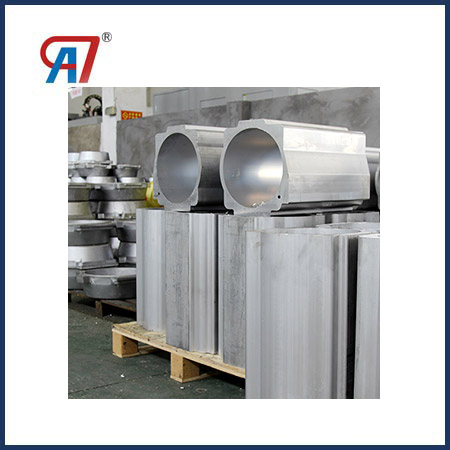
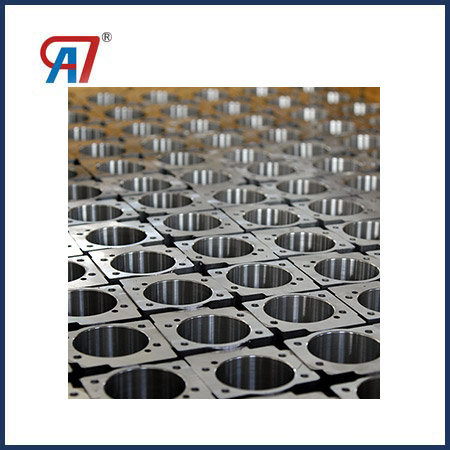
Heavy industrial valve control requires specialized high-torque driving equipment. The heavy duty scotch yoke actuator is designed for extreme load scenarios. It adopts a classic scotch yoke mechanical conversion structure. The structure turns linear piston motion into high-torque rotary motion. Its thickened metal shell enhances overall structural rigidity. It resists external impact and mechanical deformation effectively.
Working Logic of [Heavy Duty Scotch Yoke Actuator]
Pressure fluid enters the cylinder and pushes the internal piston first. Straight-line piston movement drives the connected yoke structure. The yoke slides along fixed tracks to drive the output shaft. Then, the rotating shaft delivers torque to valve bodies directly. The structure produces maximum torque at the start and end of strokes. This feature matches the operation needs of large rotary valves. It solves the high starting resistance problem of heavy valves.
Key Performance Advantages
This actuator creates far higher torque than ordinary valve actuators. It handles large-size ball valves and plug valves with ease. Its mechanical structure has extremely high structural stability. It rarely breaks down under long-term heavy-load operation. In addition, its torque output curve fits valve working rules well. It reduces unnecessary mechanical friction during operation. It also improves the overall control precision of valve systems.
Industrial Application Range
The device serves large-scale industrial fluid control systems mainly. It applies to long-distance oil pipeline transmission projects. It also works for chemical raw material storage and transportation systems. It adapts to outdoor open-air working environments perfectly. Strong wind and temperature changes barely affect its performance. It ensures safe and stable operation of key industrial pipelines.
Long-Term Use Suggestions
Mechanical transmission parts need regular lubrication maintenance. Yoke sliding tracks and rotating shafts need grease filling every six months. Users should check bolt fastening status regularly. Vibration in operation may loosen fixed connections slowly. They also need to monitor torque output stability during daily use. Early detection of abnormal noise avoids major equipment faults.
Contact us
Add:Room 203-1, 2nd Floor, Block A, No.9 Xinqin Road, Xinwu District, Wuxi City, Jiangsu Province, P.R.China
Mobile:0086-188-5271-7918
Email:accton01@wxaccton.com
Website:www.actuator-china.com