
What are the core components of a hydraulic actuator?
2026-10-13 News
Meta description: Hydraulic actuators turn hydraulic power into mechanical motion. Learn about cylinder barrels, piston assemblies, seals, end caps and buffer mechanisms that keep hydraulic actuators working reliably.
Hydraulic actuators serve as the power output units in hydraulic systems. They convert hydraulic energy into mechanical energy. Engineers widely deploy them for construction machinery, valve operation, metallurgical equipment and automated production lines. High-pressure hydraulic oil drives these devices to create linear reciprocating movement or rotary swing motion.
A hydraulic actuator is not just a simple cylinder. It relies on multiple core parts working together smoothly. Every component has a clear job. If any part suffers wear or damage, the whole unit loses output force, slower response or sealing failure. Below we break down each core component of hydraulic actuators.
Cylinder Barrel
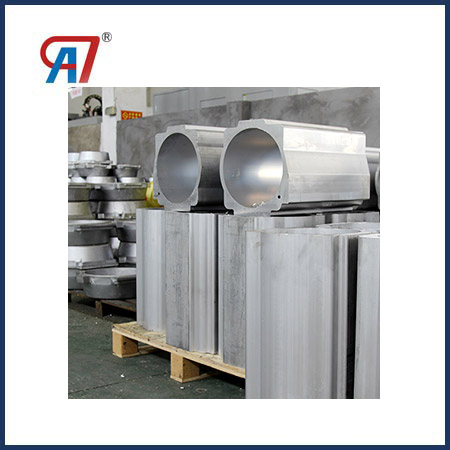
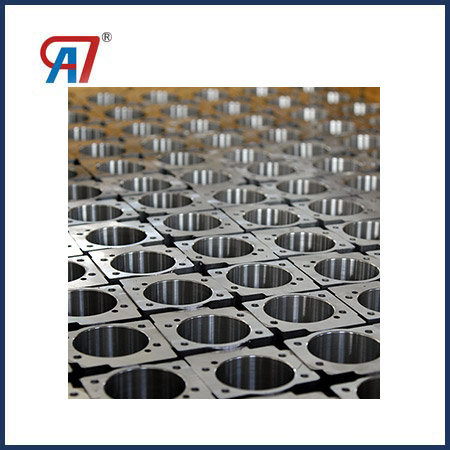
The cylinder barrel forms the main load-bearing body of a hydraulic actuator. Manufacturers often call it the cylinder body. It constantly bears pressure from internal high-pressure oil. Most cylinder barrels use high-strength seamless steel pipe. The inner wall receives precision honing to cut friction when the piston slides back and forth.
Cylinder barrel machining quality directly decides seal service life. Rough inner surfaces quickly wear seals and trigger internal leakage. End caps seal both ends of the barrel. This creates a closed chamber to hold pressurized hydraulic oil.
Piston and Piston Rod
Piston and piston rod form the power transmission core of hydraulic actuators. The piston sits inside the barrel and splits the housing into two separate oil chambers. Pressurized oil enters each chamber alternately. This pressure pushes the piston to move back and forth.
Seal assemblies mount on the piston surface. They block oil flow between the two chambers. The piston rod rigidly connects to the piston and extends outside the barrel. It transfers thrust from the piston to your external load.
Manufacturers chrome-plate and polish piston rod surfaces. This treatment boosts wear resistance and anti-corrosion performance. The exposed rod must resist dust and moisture. Surface scratches will damage seals and cause leaks.
Sealing Assembly
Sealing assemblies keep hydraulic actuators running steadily. This group includes O-rings, glyd rings, dust seals and guide bands. We split these seals into internal and external types.
Piston seals stop internal oil leakage across the two chambers. Front end cap dust seals block outside dirt and debris from entering the cylinder. They prevent scratches on the piston rod. Guide bands support the piston and rod. They avoid direct metal contact and absorb radial loads.
You must select seal materials based on working conditions. Fluororubber suits high-temperature and corrosive environments. Nitrile rubber works well for standard operating scenarios.
End Caps
Hydraulic actuators use front and rear end caps fixed to both ends of the cylinder barrel. Rear end caps usually integrate oil ports for hydraulic oil inflow and outflow. Front end caps feature a hole for the piston rod. They also contain built-in guide sleeves and dustproof structures.
Static seals fit between end caps and cylinder barrels. These seals prevent oil leaks at joint surfaces. Meanwhile, end caps withstand axial tension created by hydraulic pressure.
Buffer Mechanism
Besides the primary structural parts, most hydraulic actuators include a buffer system. Buffer sleeves and buffer throttle holes make up this mechanism. When the piston nears the end of its travel, the throttle compresses hydraulic oil. This builds damping force to reduce piston impact against the end cap.
Buffer systems lower equipment vibration and noise. They prevent hard impact that damages cylinder bodies and connected loads. Some hydraulic actuators add magnetic rings and displacement sensors. These parts feed real-time piston position data and support precise automated control.
Final Thoughts
Cylinder barrels, piston and piston rod assemblies, sealing components, end caps and buffer mechanisms form the complete core system of hydraulic actuators. Only coordinated operation of these parts reliably converts hydraulic pressure into usable mechanical thrust.
When selecting or maintaining hydraulic actuators, do not only check rated pressure and thrust parameters. You also need to inspect seal condition and piston rod surface quality. Routine maintenance and timely replacement of worn components extend the service life of your hydraulic actuator.
Contact us
Add:Room 203-1, 2nd Floor, Block A, No.9 Xinqin Road, Xinwu District, Wuxi City, Jiangsu Province, P.R.China
Mobile:0086-188-5271-7918
Email:william@wxaccton.com
Website:www.actuator-china.com