
Corrosion Resistant Hard-Anodized Piston Actuator Solutions
2026-06-26 Blog
Why Corrosion Resistance Matters in Industrial Valve Systems
In harsh industrial environments, metal components face constant threats from moisture, chemicals, and salt air. Over time, these elements slowly break down surface materials and weaken structural integrity. For valve actuation systems, this degradation leads to unexpected downtime and costly maintenance. As a result, procurement teams actively seek solutions that extend equipment lifespan and reduce operational risks.
Fortunately, advanced surface treatment technologies now offer reliable protection against corrosive elements. Among these options, hard-anodized coatings stand out for their exceptional durability and performance. This treatment creates a dense, protective layer that shields critical components from chemical attack and wear. Consequently, systems equipped with treated parts deliver longer service life and more consistent operation.
How Hard-Anodized Coatings Protect Piston Actuators
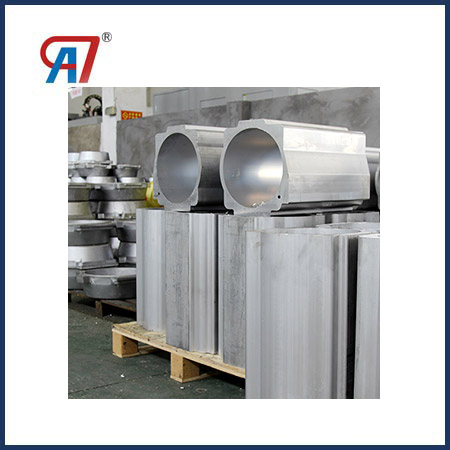
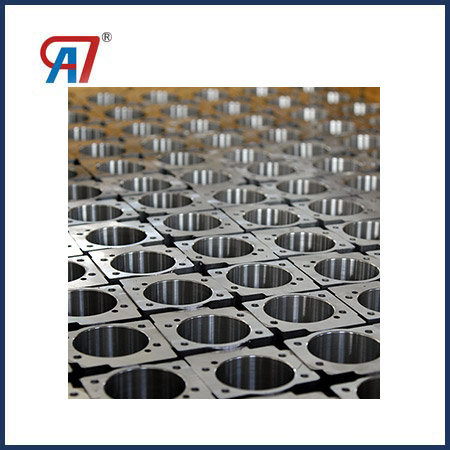
The hard-anodizing process transforms the surface of aluminum components into a robust aluminum oxide layer. Unlike paint or plating, this coating becomes an integral part of the base material itself. Furthermore, the resulting surface achieves remarkable hardness, often comparable to industrial-grade ceramics. This inherent strength provides excellent resistance to both abrasion and chemical corrosion.
For piston actuator components, this protection delivers multiple practical benefits. First, the smooth, uniform coating reduces friction between moving parts during operation. Second, it prevents pitting and surface degradation caused by harsh process fluids. Third, it maintains dimensional accuracy even after thousands of operating cycles. Together, these advantages ensure reliable performance in demanding applications.
Additionally, hard-anodized surfaces require minimal maintenance throughout their service life. Unlike painted or coated parts that need periodic touch-ups, anodized components retain their protective properties indefinitely. This durability translates directly into lower ownership costs for end users. Moreover, it reduces the frequency of planned shutdowns for inspection and replacement.
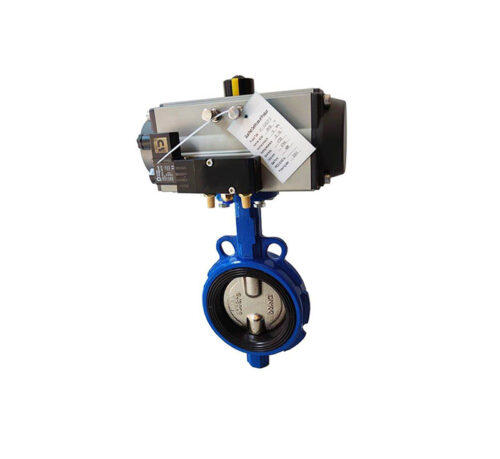
Key Applications Across Industrial Sectors
In the oil and gas industry, valve actuators operate in some of the harshest conditions imaginable. Offshore platforms, for example, face constant exposure to salt spray and humid marine air. Onshore refineries, meanwhile, handle corrosive process fluids and chemical byproducts. In both cases, corrosion-resistant components play a vital role in maintaining system reliability.
Similarly, chemical processing plants depend on robust actuation equipment for daily operations. These facilities handle acids, alkalis, and other aggressive substances that accelerate metal degradation. With hard-anodized components, valves maintain precise control over flow rates and pressures. This reliability helps prevent process upsets and ensures consistent product quality.
Water treatment facilities also benefit significantly from corrosion-resistant technology. Although water seems benign, treated water often contains chemicals and dissolved minerals that cause corrosion. Over months and years, these elements gradually wear on internal components. By using protected parts, plant operators extend maintenance intervals and reduce replacement costs.
Furthermore, pulp and paper mills represent another critical application area. These facilities use large volumes of chemicals and steam in their production processes. The combination of heat, moisture, and chemical exposure creates an extremely aggressive environment. Hard-anodized components withstand these conditions better than standard untreated alternatives.
Performance Advantages Over Alternative Solutions
Compared with other corrosion protection methods, hard-anodizing offers distinct advantages. For instance, paint and powder coatings provide initial protection but chip or peel over time. Once damaged, these coatings allow corrosion to spread underneath the surface. In contrast, anodized layers cannot delaminate because they form part of the base material.
Electroplating represents another common approach to corrosion resistance. While effective in some applications, plated layers tend to be relatively thin. Additionally, plating can sometimes introduce environmental concerns related to processing chemicals. Hard-anodizing, by comparison, produces a thicker, more durable protective layer with fewer environmental impacts.
Stainless steel components offer another alternative for corrosion-prone applications. However, stainless steel comes with significantly higher material and machining costs. It also adds unnecessary weight to actuator assemblies. Hard-anodized aluminum provides comparable corrosion protection at a fraction of the weight and cost.
Quality Assurance and Manufacturing Standards
Reliable corrosion protection begins with strict control over the anodizing process itself. Reputable manufacturers follow precise parameters for temperature, current density, and bath chemistry. These controls ensure consistent coating thickness and uniformity across every component. Furthermore, rigorous testing procedures verify that finished parts meet specified performance standards.
Quality inspection includes both visual examination and dimensional verification. Technicians check for proper coating thickness using specialized measurement tools. They also conduct adhesion tests to confirm the coating bonds correctly with the base material. Only parts that pass all quality checks proceed to final assembly.
In addition, leading manufacturers hold internationally recognized quality certifications. These certifications demonstrate commitment to consistent production standards and continuous improvement. For procurement professionals, this provides added confidence in product reliability and supplier capability. It also simplifies compliance with industry-specific regulatory requirements.
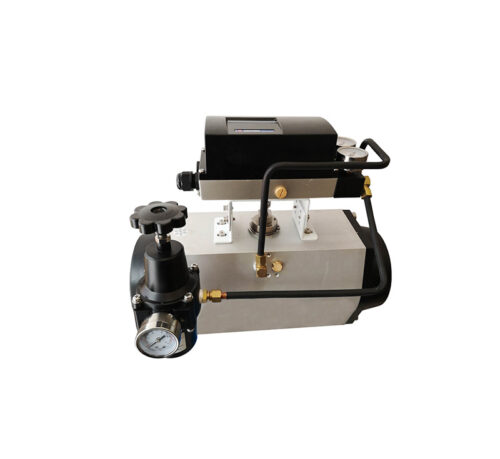
Long-Term Value for Industrial Operations
Investing in corrosion-resistant actuation solutions delivers measurable returns over time. Most importantly, it reduces unplanned downtime caused by component failure. In continuous process industries, even short shutdowns can result in substantial production losses. By extending component life, hard-anodized parts help keep operations running smoothly and predictably.
Reduced maintenance requirements represent another significant cost-saving factor. Facilities spend less on replacement parts and labor for routine servicing. Maintenance teams can focus their attention on other critical systems instead. This efficiency improvement contributes to overall operational cost reduction.
Moreover, improved reliability enhances safety performance in industrial facilities. Valve actuators play critical roles in process control and emergency shutdown systems. When these components fail unexpectedly, safety risks increase for both personnel and equipment. Corrosion-resistant designs help ensure these systems function properly when needed most.
Choosing the Right Supplier for Your Needs
Selecting the appropriate actuation solution requires careful evaluation of supplier capabilities. Look for manufacturers with proven experience serving your specific industry sector. Experienced suppliers understand the unique challenges of different applications and can recommend suitable configurations. They also provide valuable technical support throughout the selection and installation process.
Additionally, consider the supplier’s track record for product quality and delivery reliability. Consistent quality ensures that every unit meets performance expectations. Reliable delivery schedules help keep your projects on track and avoid costly delays. Strong after-sales support further enhances the overall value proposition.
Finally, verify that the manufacturer can accommodate custom requirements when necessary. Every industrial application has unique specifications and operating conditions. A flexible supplier can adjust designs and materials to match your specific needs. This customization capability ensures optimal performance and value for your particular application.
Contact us
Add:Room 203-1, 2nd Floor, Block A, No.9 Xinqin Road, Xinwu District, Wuxi City, Jiangsu Province, P.R.China
Mobile:0086-188-5271-7918
Email:william@wxaccton.com
Website:www.actuator-china.com