
What is the difference between symmetric and canted Scotch Yoke?
2026-06-22 Blog
Scotch Yoke actuators are widely used in industrial applications for converting linear motion into rotary motion. Understanding the differences between symmetric and canted Scotch Yoke designs is crucial for selecting the right component for specific applications. This article explores the key distinctions between these two types of actuators, highlighting their unique features and operational benefits. By examining their structures and functions, readers will gain a clearer understanding of which design best suits their needs. Each type offers distinct advantages, making the choice dependent on the specific requirements of the task at hand.
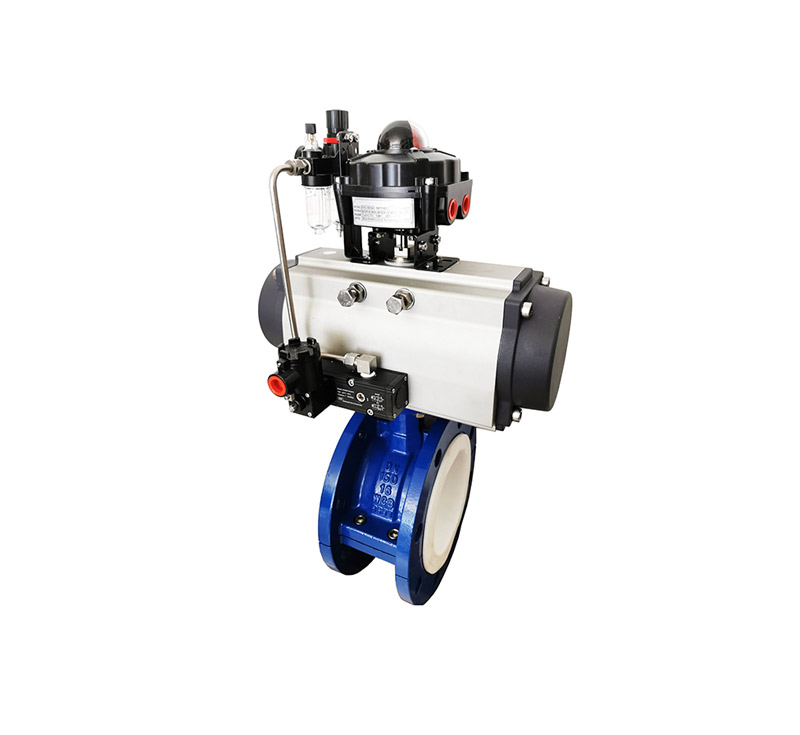
Symmetric Scotch Yoke Actuators feature a balanced design with equal offset distances from the center of rotation to the linear motion axis. This symmetry ensures consistent performance and smooth operation across a full range of motion. The equal offset minimizes vibrations and reduces wear on moving parts, leading to longer operational life. Symmetric actuators are ideal for applications requiring precise and predictable linear-to-rotary motion conversion. Their straightforward design makes them a reliable choice for various industrial settings where stability and efficiency are paramount.
In contrast, canted Scotch Yoke Actuators have an offset design where the linear motion axis is tilted at an angle relative to the center of rotation. This canted configuration allows for more compact designs and can be advantageous in spaces with limited clearance. The angled motion path can also reduce the risk of interference with other components in the system. While canted actuators may offer design flexibility, they can introduce additional complexity in terms of load distribution and potential misalignment issues. These actuators are often preferred in applications where space constraints are significant.
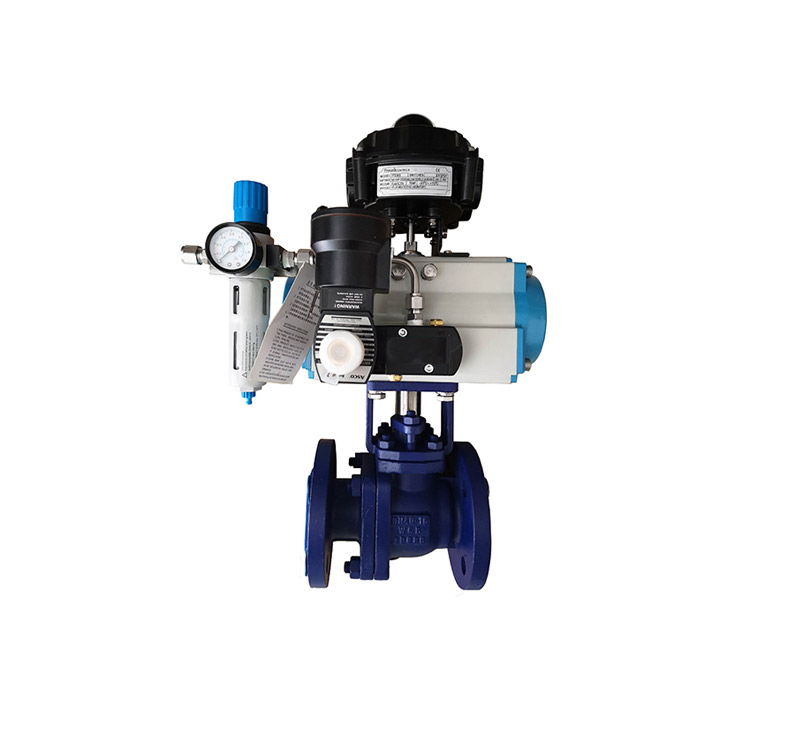
The primary difference between symmetric and canted Scotch Yoke actuators lies in their structural design and the resulting motion characteristics. Symmetric models provide balanced performance with minimal vibration, making them suitable for high-precision tasks. Canted models, on the other hand, offer space-saving benefits but may require more careful alignment. Selecting the appropriate type depends on factors such as available space, load requirements, and desired motion accuracy. Both designs serve critical functions in industrial automation, ensuring efficient conversion between linear and rotary movements.
When choosing between symmetric and canted Scotch Yoke actuators, several considerations must be taken into account. The available workspace is a key factor, as canted models can fit into tighter areas. Load requirements also play a significant role, as symmetric actuators are better suited for heavy-duty applications. Additionally, the precision needed for the task at hand will influence the decision. Symmetric actuators excel in high-accuracy scenarios, while canted models may suffice for less demanding tasks. Understanding these differences helps in making an informed choice that aligns with the specific needs of the application.
In conclusion, symmetric and canted Scotch Yoke actuators each offer unique advantages depending on the application requirements. Symmetric models provide balanced performance and are ideal for precise, heavy-duty tasks. Canted actuators offer design flexibility and are suitable for space-constrained environments. By evaluating factors such as space availability, load capacity, and motion accuracy, industry professionals can select the most appropriate type for their needs. Both designs play vital roles in industrial automation, ensuring reliable conversion between linear and rotary motions. The right choice enhances system efficiency and prolongs operational life, making it a critical decision in equipment selection.
Contact us
Add:Room 203-1, 2nd Floor, Block A, No.9 Xinqin Road, Xinwu District, Wuxi City, Jiangsu Province, P.R.China
Mobile:0086-188-5271-7918
Email:william@wxaccton.com
Website:www.actuator-china.com